
What Is an HOA—and What Should Buyers Look For Before Purchasing?
When searching for your dream home in Florida, you might come across a property located in a community with a homeowners association, commonly known as an HOA.
HOAs are especially common throughout Pasco County and the Tampa Bay area, particularly in newer developments, gated neighborhoods, and master-planned communities.
While an HOA can offer attractive amenities and help maintain neighborhood standards, it can also come with additional expenses, rules, and responsibilities that buyers should understand before purchasing.
So, what exactly is an HOA, and what should you look for before making an offer?
Let's break it down!
A Homeowners Association (HOA) is an organization that manages certain aspects of a residential community.
When you purchase a home within an HOA-governed neighborhood, you typically become a member of the association and agree to follow its governing documents, including community rules and restrictions.
HOAs may be responsible for:
The responsibilities of each HOA vary, so it's important to understand exactly what the association manages before purchasing.
One of the first things buyers should investigate is the cost of HOA membership.
Depending on the community, HOA fees may be collected monthly, quarterly, or annually.
These fees can vary significantly based on the amenities and services provided.
For example, some communities charge relatively modest fees for maintaining entrances and common landscaping, while others have higher fees that support pools, fitness centers, security, or extensive recreational facilities.
Before purchasing, ask:
Florida Homebuyer Tip: Remember to include HOA fees when calculating your total monthly housing expenses. Your mortgage payment isn't the only cost of homeownership!
Every HOA has its own governing documents, which may include rules affecting how homeowners use and maintain their properties.
Some restrictions are relatively minor, while others could significantly affect your lifestyle.
Common HOA restrictions may involve:
For example, if you own an RV or boat, you'll want to know whether the community allows you to park it at your property.
Similarly, if you're considering purchasing a home as a future rental property, it's important to understand any leasing restrictions.
Florida Homebuyer Tip: Never assume a community allows something simply because you've seen it permitted in another neighborhood. Review the actual HOA documents before committing to a purchase.
This is one of the most overlooked aspects of purchasing a home in an HOA community.
An HOA needs sufficient funds to maintain common areas, repair facilities, and cover unexpected expenses.
If an association hasn't collected enough money to meet its financial obligations, homeowners could face increased dues or special assessments.
A special assessment is an additional charge that an association may impose on homeowners to cover expenses not adequately funded through regular dues.
Before buying, consider reviewing:
Florida Homebuyer Tip: A low HOA fee isn't automatically a good deal. An association with inadequate funding could become more expensive over time.
If you're shopping for a home in Pasco County or the Tampa Bay area, you may encounter another term: CDD fees.
CDD stands for Community Development District.
Although HOA and CDD fees are sometimes confused, they serve different purposes.
An HOA generally manages community rules, common areas, and certain amenities.
A CDD is a special-purpose local government entity that can finance, construct, operate, or maintain community infrastructure and facilities.
CDD assessments are commonly collected through the property's annual tax bill, although collection arrangements can vary.
Important: A property can have both HOA dues and CDD assessments.
For example, a buyer might find a home with an affordable HOA fee but overlook a substantial annual CDD assessment.
That's why it's essential to review both when estimating the true cost of homeownership.
One of the potential benefits of living in an HOA community is that certain maintenance responsibilities may be handled by the association.
However, the extent of those responsibilities varies considerably.
Some communities maintain common landscaping and recreational facilities, while others may provide lawn care or exterior maintenance for individual homes.
Before purchasing, find out:
Understanding these details can help you avoid unexpected expenses after closing.
Living in Florida means considering hurricane preparedness, storm damage, and insurance costs.
For homes within HOA communities, it's important to understand what insurance the association carries and what coverage individual homeowners must obtain.
For example, an association may insure certain shared structures or amenities, but that doesn't necessarily mean it covers damage to your home.
Buyers should also ask whether the community has experienced significant storm-related repairs, insurance increases, or special assessments.
Florida Homebuyer Tip: Review the association's insurance responsibilities with your insurance professional before purchasing, particularly when considering a townhome or condominium.
Florida has specific laws governing homeowners associations, including provisions addressing disclosures and access to association records.
For many HOA-governed residential purchases, Florida law requires a homeowners association disclosure summary to be provided before the buyer signs the sales contract.
Buyers should also understand which governing documents they can review and whether their contract includes deadlines or protections related to those documents.
Condominium associations operate under a different statutory framework, so buyers purchasing a condo should review the applicable condominium disclosures and requirements.
Florida Homebuyer Tip: Ask your REALTOR® to help identify the appropriate documents and important contract deadlines before making a final decision.
The answer depends on your lifestyle, budget, and priorities.
For some homeowners, an HOA community is an excellent fit.
They appreciate maintained common areas, neighborhood amenities, and established community standards.
Other buyers prefer neighborhoods without an HOA because they want greater flexibility over how they use and maintain their properties.
Neither option is automatically better.
The goal is to find a community that fits your needs—not just a home that looks beautiful in photos.
Purchasing a home is a major investment, and understanding the HOA is an important part of making an informed decision.
Before buying a home in an HOA community, take time to understand the fees, restrictions, financial condition, maintenance responsibilities, and any additional CDD assessments.
A little research before closing can help prevent expensive surprises later.
Whether you're searching for a gated community, a neighborhood with resort-style amenities, or a home without HOA restrictions, I'm here to help you navigate your options.
With over 25 years of real estate experience, I can help you ask the right questions, compare communities, and find a home that fits your lifestyle and budget.
Let's find the right Florida home for you!
Penny Perry, PA | REALTOR®
The PennTon Group at RE/MAX Champions
📲 727-243-1380
🌐 PennTonGroup.com
This article is for general educational purposes and is not legal, financial, insurance, or tax advice. HOA rules, fees, disclosure requirements, and community responsibilities vary by property and association.
Stay up to date on the latest real estate trends.
Buying a Home in Florida? Here's What You Need to Know About Homeowners Associations
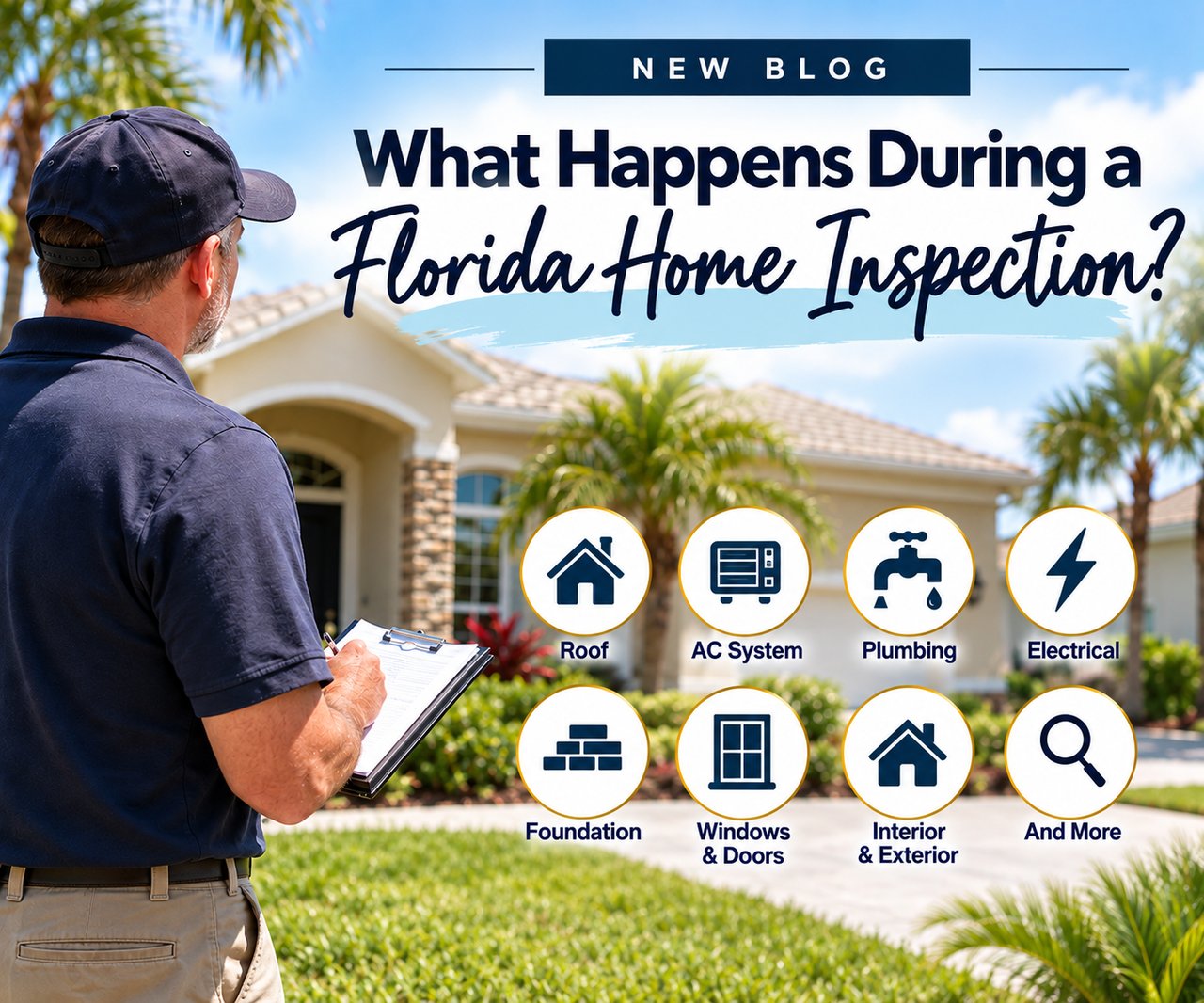
What Florida Homebuyers Need to Know About the Inspection Process, Common Issues, and What to Expect Before Closing

Everything You Need to Know About Builder Incentives, Hidden Costs, Inspections, and Why Having Your Own Realtor Matters When Buying a New Construction Home in Pasco C… Read more

A simple guide for buyers who are ready to stop guessing and start planning



Whether you are buying or selling a home or just curious about the local market, The PennTon Group would love to offer their support and services. With access to top listings, a worldwide network, exceptional marketing strategies, and cutting-edge technology, the team works hard to make your real estate experience memorable and enjoyable.